Cody Font for Web Design
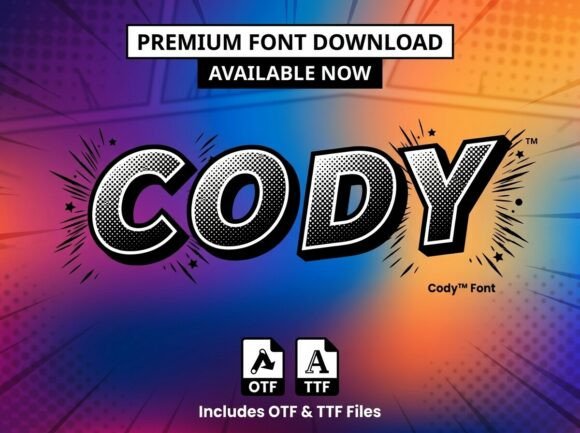
Cody is a decorative display font that commands attention with its unique artistic elements and strong visual personality. As a web designer or digital product creator, you know the power of typography in shaping user experience and brand identity. Cody offers a bold, eye-catching presence that can elevate your website headers, hero sections, and branding materials.
Cody for Creative Portfolios and Digital Branding
When designing a creative portfolio or building a digital brand, the right font can make all the difference. Cody brings a distinctive flair to your work, making it ideal for showcasing your artistic vision. Whether you're creating a personal website or a client's online presence, Cody adds a touch of elegance and professionalism that stands out in a crowded digital space.
Using Cody as a headline font helps establish a clear visual hierarchy, drawing users' eyes to key messages and calls to action. Its decorative nature makes it perfect for logo text, section headings, and decorative accents that reinforce your brand's tone and style.
Cody for Online Store Banners and E-Commerce Pages
For online stores and e-commerce pages, first impressions are everything. Cody can be used to create striking banners, product titles, and promotional headlines that capture attention and drive engagement. Its strong visual personality ensures that your brand message is both memorable and impactful.
When paired with a clean sans serif font for body copy, Cody provides a balanced design that maintains readability while adding character. This combination works well for landing pages, product listings, and checkout screens, where clarity and aesthetics go hand in hand.
Cody for Coaching Websites and Course Sales Pages
Coaching websites and course sales pages often rely on persuasive copy and strong visual cues to convert visitors into customers. Cody can be used to highlight key benefits, success stories, and testimonials, reinforcing trust and credibility. Its decorative style adds a professional edge that aligns with the tone of your content.
On mobile devices, Cody remains legible and visually appealing, making it suitable for buttons, call-to-action areas, and short phrases. When used sparingly, it enhances the overall design without overwhelming the reader.
Cody for Blog Headers and Editorial Design
Blogs and editorial content benefit from fonts that enhance readability while maintaining visual interest. Cody can be used for blog headers, featured posts, and section titles to add a sense of sophistication and creativity. Its decorative elements provide a refreshing contrast to more traditional typefaces, making your content stand out.
When integrating Cody into a blog layout, consider using it for subheadings or pull quotes to break up long paragraphs and guide the reader through the content. Pairing it with a serif or sans serif font ensures that the overall design remains cohesive and easy to read.
Cody for Social Media Graphics and Digital Ads
Social media graphics and digital ads require fonts that are both attention-grabbing and easy to read. Cody delivers just that—its bold strokes and artistic details make it ideal for headlines, captions, and promotional messaging. Whether you're designing Instagram posts, Facebook ads, or LinkedIn banners, Cody adds a stylish touch that resonates with your audience.
On dark backgrounds or image overlays, Cody retains its clarity and impact. This makes it a versatile choice for a wide range of digital marketing materials, ensuring that your message is seen and understood quickly.
Cody for Landing Pages and Conversion-Focused Layouts
Landing pages are designed to convert visitors into leads or customers, and typography plays a crucial role in this process. Cody can be used for headline text, button labels, and key selling points to create a compelling visual narrative. Its strong presence helps guide the user’s eye and emphasizes the most important information.
When used in conversion-focused layouts, Cody should be applied with care. Overuse can dilute its impact, so it's best reserved for high-impact areas such as hero sections, CTA buttons, and value propositions. This approach ensures that your design remains clean, focused, and effective.
Cody for Logo Design and Brand Identity
A strong brand identity starts with a memorable logo, and Cody can be an excellent choice for custom typography. Its unique artistic elements give your logo a distinctive look that reflects your brand's personality and values. Whether you're launching a new business or rebranding an existing one, Cody offers a fresh and modern alternative to generic typefaces.
When using Cody for logo design, consider the context in which it will be used. It works well for print, digital, and web applications, making it a versatile choice for multi-platform branding efforts.
Cody for Webfont Availability and Commercial Licensing
Before integrating Cody into your projects, ensure that it is available as a webfont and that you have the proper commercial licensing. Many decorative fonts come with specific usage rights, so it's important to verify that Cody can be used across different platforms, including websites, apps, and digital templates.
Check for included styles, file formats, and multilingual support to ensure that Cody meets your project's requirements. A well-supported font with flexible options gives you more freedom to experiment and refine your design.