Panic Mode Font for High-Impact Handmade Designs
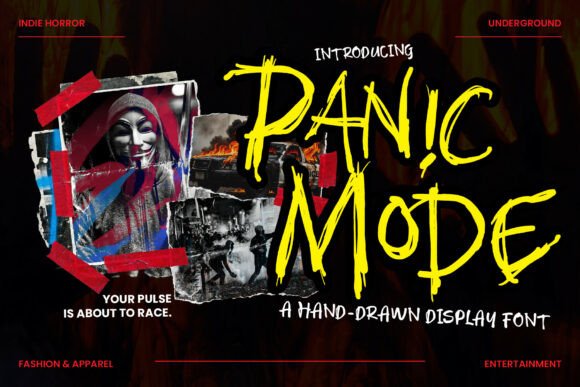
As a handmade product creator, I'm always on the lookout for fonts that bring bold personality to my shop items. Recently, I stumbled upon Panic Mode – Hardcore Grungy Hand-Drawn Font, and it instantly caught my eye with its raw energy and underground vibe. This isn’t just another Script Handwritten font—it’s a visual punch of adrenaline and grit that speaks directly to the rebellious side of creative expression.
Panic Mode for Candle Labels and Edgy Branding
I was working on a new line of soy candles when I first tried Panic Mode. Each candle needed a label that matched the brand’s aesthetic: moody, edgy, and unapologetically real. After experimenting with several Fonts, Panic Mode stood out for its chaotic yet controlled hand-drawn look. It gave each label a sense of urgency and authenticity, like they were signed by a graffiti artist in a midnight alley.
What makes Panic Mode perfect for candle labels is how it holds up at small sizes. The thick strokes and aggressive letterforms don’t lose their impact even when printed on 3x5 inch tags. I paired it with a clean sans serif for the secondary text—like burn times and ingredients—and the contrast made everything pop without overwhelming the reader.
Panic Mode on Greeting Cards and Birthday Invitations
Birthday invitations are often all about the feeling they evoke, and Panic Mode delivers exactly that kind of mood. I used it for a batch of vintage-style punk-inspired birthday cards, where the title “Let the Party Burn” had to scream rebellion. The hand-drawn nature of this Script Handwritten font added a unique texture, making each card feel like an original piece rather than mass-produced paper.
Because it’s a display font, I limited its use to short phrases and names. Longer text could become hard to read, but for headlines and callouts, it worked flawlessly. I also tested it on small stickers included with the cards and found that it retained enough detail to look sharp—even when printed on matte sticker paper.
Using Panic Mode for Wedding Invitations and Welcome Boards
Weddings usually lean toward elegant or romantic typography, but not every couple wants to follow tradition. One client approached me for something unconventional, and Panic Mode fit the bill. For their wedding invitation suite, I designed a black-and-white layout with metallic accents, using Panic Mode for the main title. It gave their event theme—industrial chic with a grunge twist—a strong typographic anchor.
The same font was used creatively on the welcome board at the venue. By layering it with distressed textures and background overlays, the message felt both urgent and artistic. Just remember, if you're going to use this aggressive Script Handwritten style for longer text, stick to stylized quotes or decorative elements rather than body copy.
Panic Mode for Planner Pages and Seasonal Digital Downloads
For planner pages, especially those with a thematic edge, Panic Mode can add drama and intensity. I created a set of Halloween-themed printable planners using it for titles like “Nightfall Notes” and “Spooky Schedule.” The high contrast and jagged edges of the typeface helped these designs stand out among more minimalist templates.
When designing digital downloads, I always check the file formats and multilingual support of the Fonts I use. Panic Mode comes with standard OpenType features, which means it plays well with most design software. I also recommend looking into commercial licensing details before selling your creations, whether they’re physical products or digital printables.
Creating Farmhouse Signs with Panic Mode and Handwritten Fonts
Farmhouse signs often blend rustic charm with modern minimalism, but why not try flipping the script? I recently painted a large wooden sign with the phrase “Chaos Welcomed Here,” using Panic Mode as the headline. To balance the intensity, I layered it with a softer, more organic Script Handwritten font for the supporting text.
This combination worked surprisingly well. The grungy Panic Mode brought attention, while the calmer handwritten font provided legibility and warmth. When photographing mockups for my Etsy listing, I made sure to highlight the contrast between the two styles. The result? A sign that feels both grounded and unforgettable.
Designing Stickers and Product Tags with Panic Mode
Sticker sheets are a great way to test a font’s versatility. I printed a few samples of Panic Mode on vinyl for a boutique packaging project. Words like “Limited,” “Rise Up,” and “Unleash” looked powerful at 0.75 inches tall. The hand-drawn quality made each sticker feel like a collectible piece rather than a generic label.
When creating product tags for mugs or shirts, I suggest using Panic Mode sparingly. Its energy works best in short bursts—think taglines or brand slogans. For readability, especially in small spaces, keep the wording tight and consider adding subtle drop shadows or outlines to help the letters stand out against busy backgrounds.
Panic Mode and Display Fonts for Tote Bag and Merchandise Designs
Tote bag designs need to be bold and expressive, and Panic Mode fits right into that category. I designed a series of tote bags for a local music festival, using the font for phrases like “Soundtrack of My Rage” and “Echoes of Rebellion.” The ink-smeared appearance of the typeface echoed the DIY ethos of the event perfectly.
When working with cutting machines like Cricut or Silhouette, I found that using a slightly thicker weight of Panic Mode helped with precision. Thin lines can sometimes get lost in the cut, so adjusting the size and stroke thickness based on material is key. Whether it's fabric vinyl or heat transfer paper, testing the font at scale before bulk production is essential.
Panic Mode for Boutique Packaging and Wall Art Mockups
One of my favorite uses for Panic Mode has been in boutique packaging. A small apothecary shop wanted labels that felt mysterious and intense, and this Font delivered exactly that. The hand-drawn imperfections gave the packaging a personal touch, as if each bottle had been labeled by a passionate artisan rather than a machine.
For wall art, Panic Mode really shines. I designed a series of motivational posters using it for headlines like “Survive, Don’t Settle” and “Break the Mold.” These became instant hits in a local coffee shop’s seasonal merch section. The font’s ability to convey emotion through typography is what makes it a premium choice for artists and designers who want their work to resonate deeply.
Pairing Panic Mode with Clean Typefaces for Balance
While Panic Mode is undeniably striking, pairing it with a simple serif or sans serif can create a more polished look. In one project, I combined it with a classic serif font for a vintage band poster design. The contrast between the aggressive headline and the traditional body text created a dynamic visual rhythm that drew people in.
If you're using Panic Mode for branding materials like logos or editorial design, consider saving it for headers and pull quotes. A soft, neutral font for body text will let the panic-infused headlines take center stage without overwhelming the viewer.
Testing Panic Mode for Small Batches and Seasonal Products
Before committing to a full run of products, I always do a small batch test. With Panic Mode, I printed sample greeting cards and gift tags during the holiday season. The response from customers was enthusiastic—many commented on how the font gave their gifts a distinct character. That kind of feedback is invaluable when choosing Fonts for your next big project.
I also tested it on SVG-style designs for digital downloads. Since it’s a display font, it worked beautifully as part of layered graphics. But for anything that needs to be legible at a glance, I recommend keeping Panic Mode as a decorative element only.
How Panic Mode Can Elevate Your Shop’s Visual Identity
Typography is one of the most overlooked aspects of product design, but it plays a huge role in how your brand is perceived. Panic Mode adds an edge that communicates passion, urgency, and authenticity. Whether you're crafting greeting cards, labeling a candle jar, or designing a mug for a niche market, the right Font can make all the difference.
By using Panic Mode strategically—on product tags, social media graphics, or even web design elements—you can build a consistent brand identity that stands out in a crowded marketplace. And because it's meticulously crafted with individual character variations, it brings a level of uniqueness that helps your shop feel more personal and intentional.
Final Tips for Using Panic Mode in Real Projects
- Check Licensing: Always confirm that Panic Mode allows for commercial use before selling products or digital assets.
- Test Before Printing: Print sample labels or stickers to ensure the font looks good at different sizes and on various materials.
- Use Alternates and Ligatures: Many hand-drawn Fonts include special characters—use them to enhance the visual storytelling of your designs.
- Keep Text Short: As a display Font, Panic Mode is ideal for headlines, titles, and short phrases rather than long paragraphs.
- Balance with Simpler Styles: Pair it with a clean sans serif or a delicate script for contrast and better readability.
Incorporating Panic Mode into your designs isn’t just about aesthetics—it’s about conveying a mood and building a connection with your audience. Whether you're an Etsy seller, a hobbyist, or someone preparing for a craft show, this Font can inject the kind of raw creativity that turns ordinary items into must-have pieces. So go ahead, embrace the chaos, and see how Panic Mode transforms your next project.