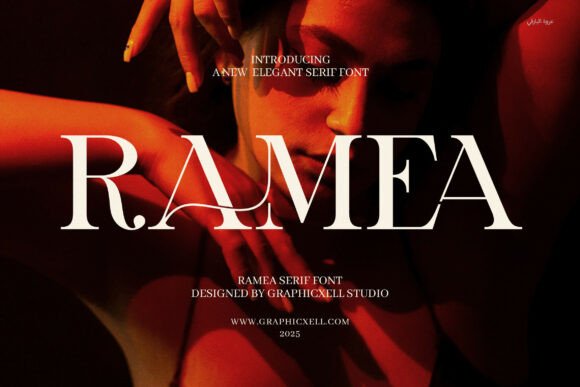
Ramea Font Review: A Serif Display Typeface for Refined Branding
There I was, opening a blank brand board for a boutique skincare line. The client wanted something that felt luxurious but approachable—something that could speak to the elegance of their products without being too stuffy or formal. I reached for Ramea, and it immediately clicked. As a serif display font, Ramea brings a level of sophistication and emotion that’s hard to find in other Fonts. It’s not just another Serif typeface; it’s one that feels like it belongs in editorial spreads, on product packaging, and even in web headers. Let me walk you through how this elegant font performed across several branding deliverables.
Ramea in Logo Design: Grace Meets Modern Luxury
I first tested Ramea on a logo draft for a local café looking to rebrand as a wellness-focused space. The previous logo had a basic sans serif that didn’t stand out. When I switched to Ramea, the difference was immediate. Its graceful curves and refined character gave the logo a sense of warmth and intentionality. Unlike some Serif fonts that feel outdated or overly formal, Ramea has a modern edge. It works especially well for logos that need to feel curated yet inviting. Whether paired with minimalist shapes or used alone, Ramea adds emotional depth without sacrificing clarity.
One thing to note is that Ramea isn’t ideal for small-scale applications like tiny tags or dense text blocks. But for a hero header or a storefront sign, it shines. The weight variations included offer enough flexibility to make the logo feel dynamic while keeping its core personality intact.
Ramea on Brand Boards: Elevating Visual Language
Next, I placed Ramea into a brand board alongside color palettes and imagery focused on natural ingredients and soft textures. The contrast between the clean visuals and Ramea’s ornate details created a compelling tension—like a beautifully written letter next to a botanical illustration. This kind of visual storytelling is where Ramea really excels. It’s not just a Serif font; it’s a design element that conveys beauty and emotion naturally.
What stood out was how well it integrated with both muted tones and bolder hues. In a high-end editorial context, I could see it working wonders with vintage photography or abstract illustrations. For digital brand boards, it helped set the tone instantly, making the project feel more intentional and premium.
Ramea for Packaging Mockups: A Touch of Sophistication
When I moved to a packaging mockup for a handmade soap line, I knew I needed a font that would feel tactile and real. Ramea delivered. The subtle serifs and open apertures made it easy to read at a glance, which is essential for product labels. At the same time, its refined character added a layer of luxury that matched the artisanal nature of the product. It wasn’t over the top, but it wasn’t plain either. That balance is what makes it such a strong choice for packaging design.
I tried using it in all caps for a label header and found that the condensed forms still maintained legibility. For longer phrases, like ingredient lists, I stuck to a simpler secondary font, but Ramea worked perfectly for headlines and taglines. Just remember: if your package requires a lot of body text, consider using Ramea only for accents or short bursts of copy.
Ramea in Business Card Design: Personality in Print
Printing is often an afterthought in digital-first branding projects, but Ramea proved its versatility there too. On a business card layout for a creative studio identity project, the font looked stunning in a matte finish with a deep navy ink. The Serif elements gave the card a timeless quality, while the overall structure felt contemporary. It’s rare to find a Fonts family that transitions so smoothly from screen to print, especially when aiming for a modern luxury aesthetic.
I did have to adjust leading slightly to prevent the letters from feeling cramped, but once tuned, the result was professional and memorable. If you’re designing physical collateral, always test Ramea at 10pt or smaller to ensure it holds up in small sizes. Some display Fonts struggle there, but Ramea surprised me with its performance in printed form.
Ramea for Web Design Headers: Timeless Yet Trendy
In web design, I used Ramea as the headline font for a homepage hero section. The moment I applied it, the whole layout felt more elevated. It’s not a typical Serif you’d use for long paragraphs, but as a heading, it commands attention and sets the tone. The font’s modern luxury aesthetics work particularly well in industries like fashion, lifestyle, and editorial content. It pairs nicely with minimalist grids and soft gradients, creating a sense of refinement without overwhelming the user experience.
I also tested it on mobile screens and found that it retained its charm at lower resolutions. That’s a big plus for responsive web design. However, be cautious with long headlines. Since it’s a display font, shorter lines are better. Think of it as a Serif that adds flair where it matters most—your key messages.
Ramea in Social Media Layouts: Editorial Flair for Digital Spaces
Social media layouts can easily become cluttered, but Ramea helped bring focus and elegance to my designs. I used it for Instagram post headers and article-style posts for a blog refresh. Its inspiration from editorial design made it a perfect fit for platforms where visual storytelling is key. The combination of graceful curves and structured formality gives each post a polished look, helping brands stand out in crowded feeds.
For carousel posts, I alternated Ramea with a lighter sans serif to maintain hierarchy. Using Ramea for the main title and a supporting font for captions kept the layout balanced and readable. This kind of thoughtful font pairing is crucial when working with display Fonts, and Ramea offers enough variation to support that strategy.
Ramea in Poster and Flyer Design: Emotional Impact Through Typography
On a poster for a small art exhibition, I used Ramea to highlight the event name and featured artists. The typography became part of the visual narrative—each word felt like a brushstroke. The font’s ability to express emotion made it ideal for this kind of creative event promotion. It doesn’t shout, but it definitely whispers “luxury” and “intentionality.”
Again, I found it best suited for headlines and short phrases rather than dense body copy. But for posters and flyers that rely on impact over information density, Ramea delivers. Just keep the supporting text simple and let the Serif display do the heavy lifting in terms of style and mood.
Font Pairing Tips with Ramea
If you're considering Ramea for your next project, think about how it plays with others. Here are a few combinations I’ve tested successfully:
- Ramea + Light Sans Serif: Perfect for brand identities where the Serif handles the emotional tone and the sans serif maintains readability.
- Ramea + Script Accent: Adds a touch of whimsy to editorial layouts or wedding invitations, especially when used sparingly for names or quotes.
- Ramea + Handwritten Details: Works well in packaging and stationery for a contrast between crafted and curated.
Each pairing highlights different aspects of Ramea’s personality. Just avoid combining it with overly decorative or chaotic Fonts, which might dilute its refined character.
Practical Notes Before Committing to Ramea
Before finalizing any client work, always test Ramea in real-world conditions. Try it in multiple sizes, on various backgrounds, and across platforms. Does it hold up in grayscale? How does it render on older devices? These questions will help you determine whether it's the right Serif for the job.
Also, check the licensing options. Depending on your needs—whether you're building a brand identity, creating commercial design assets, or using it for a print-on-demand shop—you’ll want to ensure you have the appropriate rights. Many designers overlook this step and end up needing to switch last-minute, which disrupts the creative flow.
Who Should Use Ramea?
Ramea is ideal for anyone who wants to add a touch of modern luxury to their visual identity. Small businesses like boutiques, bakeries, and handmade shops can benefit from its elegant presence. Creative studios and freelancers working in editorial design, lifestyle branding, or product packaging will find it a valuable addition to their Fonts library. It’s not for every project, but when it fits, it transforms the look and feel of the entire brand system.
That said, avoid using it in contexts where long-form reading is required. It’s a display font by nature, so it’s better reserved for titles, headings, and key brand statements. For extended body copy, opt for a complementary, more utilitarian font.
Final Thoughts for Designers Considering Ramea
As a designer who regularly reviews Fonts, I’m always looking for ones that feel fresh yet grounded in tradition. Ramea hits that sweet spot—it’s an elegant serif display font that brings beauty and emotion to the table. Whether you're crafting a brand identity or refreshing a website header, it’s worth testing in your next project. Just make sure you understand its strengths and limitations before committing to full implementation.
Remember, the right Fonts can shape how people perceive your brand. Ramea isn’t just about looks—it’s about conveying a message through typography. So if you're ready to elevate your design language with a Serif that feels both classic and current, give Ramea a try. You might just find it becomes a favorite for those moments when you want your words to look as good as they sound.