Giraffe Texture Font: Add Wild Savanna Flair to Your Web Projects
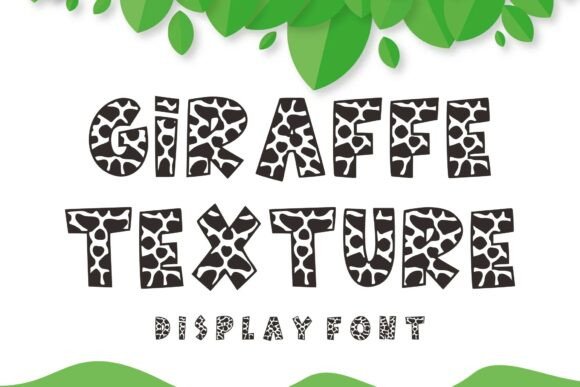
As a web designer, you're always on the lookout for fonts that elevate your layouts without compromising readability. Giraffe Texture, a decorative typeface with an adventurous spirit, brings the raw beauty of the savannah into digital spaces through its unique pebble-like pattern. Each character is crafted to feel organic and alive, making it perfect for creating visual impact in headers, logos, and brand-focused design assets.
Giraffe Texture for Brand Identity and Adventure-Themed Websites
When building a brand identity around nature, exploration, or a bold personality, Giraffe Texture font delivers a distinctive look. Its irregular, handcrafted style evokes the feeling of a wild journey, which can be especially powerful for travel agencies, eco-friendly brands, outdoor gear sites, or any project aiming to communicate freedom and authenticity.
Using this decorative font in hero sections or taglines immediately sets a tone that's both modern and grounded in natural aesthetics. The texture within each letterform adds depth and interest without overwhelming the viewer, ensuring your message still stands out even with the added detail.
Giraffe Texture as a Display Font for High-Impact Headers
The Giraffe Texture typeface shines when used as a display font in prominent areas of your site like landing page headlines or section titles. Its large-scale legibility and intricate details work well in high-contrast settings — think white text over dark backgrounds or bold colors against light tones.
- Hero Sections: Create a strong first impression by using Giraffe Texture in headline sizes where texture and character play a key role.
- Section Headings: Use it sparingly to highlight key content blocks, especially if you're going for a more artistic or thematic layout.
- Logo Design: Pair Giraffe Texture with clean supporting typography to balance its wildness and maintain professionalism.
Because it’s not ideal for long-form reading, make sure to reserve Giraffe Texture for short, impactful phrases rather than body copy or navigation menus.
How Giraffe Texture Enhances Visual Hierarchy and User Engagement
Incorporating Giraffe Texture into your font stack helps establish a clear visual hierarchy. The font naturally draws attention, making it excellent for call-to-action buttons, banners, or promotional overlays. This kind of contrast encourages users to scan and engage with your content faster.
For instance, a boutique online store selling handmade goods might use Giraffe Texture for product category headers while keeping body text in a simple sans serif. The result? A layout that feels both creative and easy to navigate.
On mobile screens, ensure the font size is at least 36px to preserve clarity. Avoid using it in small buttons or image overlays where too much detail could reduce legibility. Instead, focus on larger touchpoints like hero titles or featured headings where it can truly shine.
Giraffe Texture for Creative Portfolios and Designer Showcases
If you’re designing a portfolio site or showcasing your own creative services, Giraffe Texture can help you stand out from the crowd. Its unique style speaks to clients looking for something different — a signifier of originality and a strong design voice.
Use it in your personal brand statement or in subheaders under project showcases. It works particularly well when paired with minimalist base fonts, such as Helvetica Neue or Lato, allowing the decorative elements to pop without overwhelming the rest of the layout.
Giraffe Texture in Digital Ads and Social Media Graphics
Digital ads and social media graphics benefit from fonts that are memorable and quick to read. Giraffe Texture fits the bill by offering a bold yet approachable appearance. Whether you're crafting a Facebook ad for a safari tour or Instagram visuals for a lifestyle brand, this typeface can help you build a more engaging presence.
Consider using Giraffe Texture in short, punchy phrases like “Explore the Wild” or “Live Freely.” These kinds of messages align perfectly with the adventurous energy of the font. Just remember to test how it looks across different screen sizes and platforms before publishing.
Font Pairing Tips When Using Giraffe Texture in Web Design
Pairing a decorative font like Giraffe Texture with the right supporting typefaces is essential for balanced design. Here are some practical pairing strategies:
- Sans Serif for Body Copy: For websites with editorial or informational content, pair Giraffe Texture with a clean sans serif like Montserrat or Open Sans. This ensures body text remains scannable and readable.
- Modern Script for Editorial Layouts: In more expressive environments like blogs or course sales pages, try pairing it with a sleek script font for quotes or pull-out lines.
- Classic Serif for Contrast: If your brand leans towards sophistication, a traditional serif like Merriweather or Playfair Display can create a striking juxtaposition with the wildness of Giraffe Texture.
Always consider the rhythm of your layout when choosing a font stack. Too many decorative choices can lead to visual fatigue, but using Giraffe Texture strategically in just one or two places will keep your design focused and effective.
Giraffe Texture for Boutique Online Stores and E-commerce Sites
Boutique e-commerce sites often rely on personality to differentiate themselves. Giraffe Texture can add a sense of craftsmanship and uniqueness to product categories, collection names, or seasonal banners. Think of a curated clothing line or artisanal skincare brand wanting to convey natural ingredients and a hand-made ethos — this font visually supports that narrative.
However, don’t overuse it in product listings or pricing tables. Stick to headers and promotional tags to maintain a professional shopping experience. You’ll want customers to focus on product details, not get lost in complex typography.
Commercial Use and Licensing Considerations for Giraffe Texture
Before downloading Giraffe Texture, check whether the font license allows commercial use for your specific needs. If you're planning to use it in client projects, online stores, SaaS applications, or brand assets, ensure the font includes a webfont license. Some decorative fonts are only suitable for print or limited digital use, so confirming the terms is crucial to avoid legal issues later.
Also consider multilingual support if your audience spans different regions. And for developers, verify the file formats included (like WOFF, TTF, or OTF) to ensure compatibility with your build tools and hosting platforms.
Branding with Giraffe Texture: Building a Unique Digital Presence
A strong brand identity relies on consistent visual language. Giraffe Texture can become a signature element of your brand kit, especially if your brand values adventure, creativity, or authenticity. From website headers to email templates and social posts, this typeface helps reinforce your message every time it appears.
One real-world example is a wildlife conservation nonprofit that uses Giraffe Texture in their logo and campaign banners to evoke the untamed essence of nature. Combined with earthy color schemes and photography-driven layouts, the font contributes to a cohesive and inspiring brand experience.
Giraffe Texture for Landing Pages and Conversion-Focused Layouts
Landing pages need to convert quickly. While Giraffe Texture may not be ideal for long paragraphs, it excels in headline design and persuasive copy. A compelling title like “Unleash Your Inner Explorer” set in Giraffe Texture can significantly increase the emotional appeal of your offer.
Use it in CTA buttons for a more dynamic look — just ensure the button is large enough for mobile usability. Also, pair it with secondary headers in a contrasting but complementary style to guide the reader through your funnel effectively.
Giraffe Texture in App Screens and UI Design
UI designers often have strict guidelines for typography due to accessibility and usability concerns. Giraffe Texture is best suited for app screens that require a more branded or thematic approach, such as onboarding sequences, feature highlights, or splash screens.
Its texture makes it less suitable for dense UI elements like menus or form labels, but it can serve as a great accent in modal windows, alerts, or special announcements. Always test it in different UI contexts to ensure it doesn’t clash with other design components or hinder user flow.
Giraffe Texture for Course Sales Pages and Coaching Websites
Coaching and educational websites often aim to inspire and motivate. Giraffe Texture can help achieve that by adding a sense of movement and energy to your headers. Imagine a yoga instructor’s site using it in a header like “Find Your Flow” — the font complements the message perfectly.
It also works well in testimonials or quote boxes when used in smaller weights or lighter styles. Just ensure the background has enough contrast to let the characters breathe and remain legible.
Giraffe Texture for Blog Headers and Content Sections
Bloggers and content creators who prioritize storytelling and visual engagement can use Giraffe Texture to break up long articles or highlight key points. As a decorative font, it’s perfect for chapter headings, pull quotes, or themed blog sections like “Journey Through the Desert” or “The Art of Nature.”
Keep the body text in a neutral, highly readable font to maintain a smooth reading experience. But for those moments where you want to emphasize a story or evoke emotion, Giraffe Texture adds a layer of intrigue and personality.
Designing with Giraffe Texture: Best Practices for Readability
While Giraffe Texture is rich in character, it’s important to optimize its use for digital readability:
- Use it at larger point sizes — ideally above 30px for desktop and 40px for mobile.
- Ensure sufficient spacing between letters and lines to prevent overcrowding.
- Avoid using it in small buttons or interactive elements where clarity is key.
- Test it on light and dark mode versions of your site to confirm visibility.
These adjustments will help you harness the font’s charm without sacrificing user experience. Remember, the goal is to enhance the message, not obscure it.
Giraffe Texture in Branded Web Experiences and Themed Campaigns
Themed campaigns, such as summer promotions, festival events, or charity drives, often require a more expressive typographic approach. Giraffe Texture fits right in, especially when the theme involves nature, travel, or a sense of discovery.
For example, a wildlife documentary streaming platform might use Giraffe Texture in its promotional banner for a new series about African animals. The font reinforces the visual motif and gives the campaign a tactile, almost hand-drawn feel that resonates with audiences seeking authentic experiences.
Why Web Designers Should Include Giraffe Texture in Their Toolkit
Every designer knows the importance of having versatile fonts that adapt to multiple projects. Giraffe Texture isn’t a general-purpose font — it’s a specialized decorative typeface that works wonders when used correctly. It’s perfect for:
- Adding visual interest to minimalistic designs
- Creating a unique brand voice in competitive markets
- Enhancing headers and banners with texture-rich characters
- Designing digital experiences that feel adventurous and inspired
By integrating Giraffe Texture into your font library, you gain access to a tool that can elevate the mood of your next big project — from a luxury resort website to a startup’s launch page.
Giraffe Texture for Logo Text and Decorative Accents
Logos are all about memorability and differentiation. Giraffe Texture offers a fresh take on logo design with its textured, irregular strokes that mimic the rough terrain of the savannah. It’s especially effective for eco-conscious brands, adventure tourism sites, or any business that wants to stand out with a natural, hand-crafted vibe.
When using it in logo text, pair it with subtle gradients or soft shadows to enhance the three-dimensional effect of the pebble-like patterns. For decorative accents, consider using it in smaller doses — perhaps in footers, sidebars, or behind transparent glassmorphism layers.
Getting Started with Giraffe Texture in Your Next Project
To start using Giraffe Texture, download the font and review the included styles, weights, and alternates. Many premium fonts come with additional options that allow you to customize your design further. Once installed, experiment with how it performs in various scenarios — from static websites to dynamic apps.
Remember to always validate its performance on different devices and browsers. And if you’re working with clients, clearly outline the licensing scope to ensure they understand what’s covered — especially if they plan to use it in online stores, SaaS dashboards, or international marketing materials.
Giraffe Texture for Modern Typography and Niche Audiences
Modern typography trends favor unique and expressive typefaces that tell a story. Giraffe Texture taps into this trend by providing a font that feels both contemporary and connected to the natural world. It’s especially appealing to niche audiences who appreciate craftsmanship and individuality in design.
Whether you're designing for a luxury travel brand targeting millennials or a wellness blog reaching busy professionals, Giraffe Texture can help shape a more immersive and memorable experience.
Final Notes on Integrating Giraffe Texture into Your Workflow
Integrating Giraffe Texture into your workflow requires thoughtful placement and pairing. As a decorative font, it should be reserved for strategic visual elements that benefit from texture and character. It’s not meant for everything, but when used correctly, it can transform a flat design into a living, breathing experience.
So go ahead — explore how Giraffe Texture can bring the spirit of the savannah into your digital creations. With its adventurous flair and detailed craftsmanship, it’s a must-have for designers looking to make a bold typographic statement.