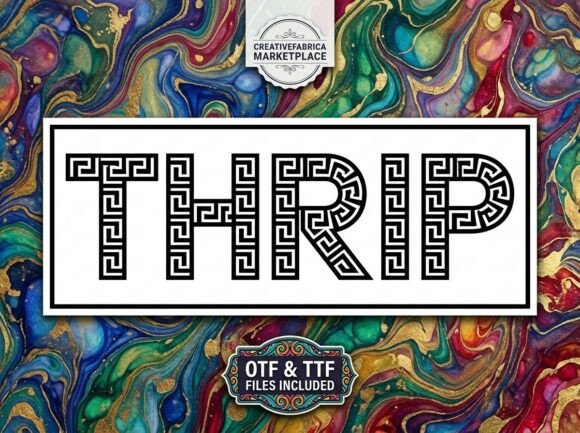
Hepat: A Bold Font for Creative Branding
There I was, staring at a blank brand board, trying to figure out how to make the logo stand out. The client wanted something that felt both artistic and professional, something that could anchor their visual identity without overpowering the rest of the design. That’s when I reached for Hepat—a decorative display font that immediately caught my eye with its unique flair and strong character.
Hepat for Logo Design and Brand Identity
Hepat is more than just a font; it’s a statement. As a decorative typeface, it brings a sense of elegance and creativity to any project. When I first tested it on a logo draft, I was struck by how it balanced boldness with refinement. The curves and flourishes gave it an artistic edge, while the structure kept it readable and professional.
For a small café project, I used Hepat as the main logo font. It worked beautifully on the signage, giving the space a warm, inviting feel. The font’s personality made it ideal for a brand that wanted to feel both creative and approachable. It wasn’t too flashy, but it had enough character to make the logo memorable.
Testing Hepat in Different Layouts
I experimented with Hepat in various layouts—website headers, social media graphics, and packaging mockups. In each case, it held its own without overwhelming the other elements. On a homepage hero section, it added a sense of drama and focus, drawing the viewer’s eye toward the key message.
On a product label, it gave the packaging a handcrafted feel, which aligned perfectly with the brand’s aesthetic. I found that Hepat worked best when used sparingly, as a headline or accent font, rather than in long blocks of text. Its decorative nature meant it didn’t always pair well with dense paragraphs, but as a centerpiece, it was hard to beat.
Hepat for Packaging Design and Product Labels
When designing a set of product labels for a handmade shop, I turned to Hepat to give each label a distinct visual identity. The font’s artistic elements added a touch of sophistication, making the products feel more premium. I paired it with a simple sans serif for the product descriptions, which created a nice contrast and kept the design from feeling too busy.
One thing I noticed was how Hepat responded to different sizes and weights. At larger sizes, it had a strong presence, but when scaled down, it still retained its clarity. This made it versatile for use on everything from business cards to large banners.
Pairing Hepat with Other Fonts
Font pairing is crucial when working with a decorative typeface like Hepat. I found that it worked well with a clean, modern sans serif, which provided a nice counterbalance. For a more elegant look, I paired it with a subtle serif font, which helped maintain a cohesive visual hierarchy without clashing.
When working with a client who wanted a more organic feel, I tried pairing Hepat with a handwritten script font. The result was a dynamic mix that felt both creative and intentional. It showed how versatile Hepat could be, depending on the brand’s tone and audience.
Hepat for Social Media Graphics and Editorial Design
For a recent editorial project, I used Hepat in a series of Instagram posts. The font’s bold strokes and intricate details made it perfect for headlines and captions. It added a sense of energy and creativity that matched the content’s vibe.
On a flyer for a local event, I used Hepat for the title and key information. It stood out against the background without being distracting. The font’s visual appeal made it easy to catch the viewer’s attention, which is essential for effective marketing materials.
Considering Readability and Visual Hierarchy
Readability is always a concern when using a decorative font, but Hepat manages to strike a good balance. It’s not overly ornate, so it remains legible even at smaller sizes. That makes it a solid choice for short-form text, such as headings, subheadings, and callout boxes.
In terms of visual hierarchy, Hepat naturally draws the eye, which is exactly what you want for a headline or a key message. It helps guide the viewer through the design, ensuring that the most important elements are noticed first.
Hepat for Web Design and Digital Templates
When designing a website header for a creative studio, I used Hepat to create a strong visual impact. It looked great on the homepage, where it served as the primary branding element. The font’s distinctive style helped establish the site’s identity and made it instantly recognizable.
I also used Hepat in digital templates for a client’s social media assets. It gave the templates a cohesive look and feel, reinforcing the brand’s visual language across different platforms. The font’s versatility made it easy to apply consistently without compromising the design’s integrity.
Checking Font Files and Licensing
Before finalizing a project, I always check the font files and licensing details. Hepat comes in multiple styles and weights, which is helpful for creating a consistent typographic system. It also includes alternates and ligatures, which can add variety and polish to the design.
The multilingual support is another plus, especially for clients who work with international audiences. And the commercial license means I can use Hepat confidently in client projects without worrying about legal issues.
Hepat for Creative Studio Projects and Branding Materials
In a recent branding project for a local restaurant, I used Hepat to create a suite of materials, including menus, signage, and promotional flyers. The font’s artistic elements complemented the restaurant’s theme, adding a touch of sophistication that elevated the entire brand experience.
It was clear from the start that Hepat would be a key part of the design. Its ability to blend creativity with professionalism made it an ideal choice for a brand that wanted to stand out while maintaining a sense of authenticity.