Melot Font: Creative Display Type
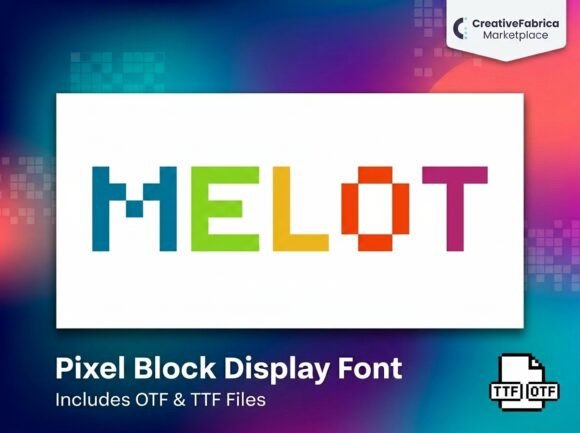
Melot is a decorative display font that transforms digital layouts into visually striking experiences. Designed for web designers and digital creators, it brings artistic flair to headers, logos, and brand-centric elements while maintaining readability across platforms.
Melot for Website Headers and Hero Sections
Melot excels as a centerpiece for website headers and hero sections, where its bold strokes and unique character draw immediate attention. Web designers can use it to create impactful first impressions on landing pages, product launch sites, or creative portfolios. Its distinct personality adds a sense of elegance and professionalism, making it ideal for luxury brands, design studios, or high-end online stores.
When used in hero sections, Melot enhances visual hierarchy by standing out against simpler body fonts. Pairing it with a clean sans serif like Open Sans or Lato ensures balance without overwhelming the user. This combination works well for SaaS startups, marketing agencies, or e-commerce platforms looking to convey both creativity and clarity.
Melot for Call-to-Action Buttons and Short Phrases
Melot is particularly effective for call-to-action buttons, short headlines, and decorative accents. Its strong character makes it ideal for button text, promotional banners, or social media graphics that need to capture attention quickly. Digital product creators can use it to highlight key selling points, limited-time offers, or exclusive content.
On mobile screens, Melot maintains legibility when used at appropriate sizes. Designers should avoid using it for long paragraphs but instead focus on short phrases, such as “Join Our Community” or “Limited Edition.” This approach ensures the font remains readable while reinforcing brand identity through its distinctive style.
Melot for Brand Identity and Logo Design
Melot is a powerful tool for logo design and brand identity projects. Its decorative nature allows it to stand out as a signature typeface for creative businesses, boutique shops, or independent artists. When paired with a complementary icon or symbol, it creates a cohesive visual language that resonates with target audiences.
For branding, Melot can be used across multiple touchpoints, from website headers to business cards and packaging. Its versatility makes it suitable for both modern and vintage-inspired aesthetics. Designers should consider the tone of the brand before applying it—Melot works best for brands that want to express artistry, sophistication, or individuality.
Melot for Online Stores and E-Commerce Banners
Melot enhances the visual appeal of online store banners, product titles, and promotional sections. Its decorative style adds a touch of uniqueness to e-commerce websites, helping them stand out in crowded digital marketplaces. Whether used for seasonal promotions, new arrivals, or featured products, it draws the eye and encourages engagement.
When designing for online stores, Melot should be used sparingly to avoid clutter. It pairs well with neutral background colors and minimalist layouts. For dark backgrounds, ensure sufficient contrast to maintain readability. On light backgrounds, it can add depth and texture without overwhelming the viewer.
Melot for Blog Headers and Content Sections
Melot brings energy and personality to blog headers and content sections, making it an excellent choice for creative blogs, lifestyle websites, or educational platforms. Its artistic elements help break up dense text and guide readers through the content.
Using Melot for subheadings or section titles creates a dynamic reading experience. Pair it with a simple serif or sans serif font for body copy to maintain balance. This approach works well for coaching websites, course sales pages, or editorial-style blogs that require both visual interest and clear information flow.
Melot for Social Media Graphics and Digital Ads
Melot is a go-to font for social media graphics and digital ads, where visual impact is critical. Its strong character makes it ideal for Instagram posts, Facebook banners, or YouTube thumbnails that need to grab attention quickly. Designers can use it to highlight key messages, hashtags, or brand tags in a way that feels fresh and original.
When creating digital ads, Melot should be used at larger sizes to ensure visibility. Avoid placing it over busy images or low-contrast backgrounds. Instead, use it on solid color blocks or subtle gradients to maintain clarity and professionalism.
Melot for Portfolio Sites and Creative Showcases
Melot is perfect for portfolio sites and creative showcases, where visual storytelling is essential. It helps designers present their work in a way that reflects their personal style and artistic vision. Whether used for project titles, client testimonials, or artist bios, it adds a layer of sophistication that elevates the overall design.
For portfolio sites, Melot can be used in conjunction with a clean, modern font for descriptions and details. This pairing ensures that the layout remains professional while still showcasing the designer’s unique aesthetic. It also helps establish a consistent brand voice across all digital assets.
Melot for Responsive Web Design and Mobile Optimization
Melot performs well in responsive web design, provided it is used appropriately. On desktop screens, its intricate details shine, but on smaller devices, it should be scaled down to maintain readability. Designers should test how it appears on various screen sizes and adjust spacing, line height, and font size accordingly.
When using Melot on mobile screens, avoid small text sizes and complex layouts. Keep it simple and focused on key elements like headings, buttons, and logos. This ensures that the font remains legible and functional across all devices, improving user experience and engagement.
Melot for Commercial Use and Licensing
Melot is available for commercial use, making it a valuable asset for web designers, UI creators, and digital product developers. Before integrating it into client projects, check the licensing terms to ensure compliance with webfont, print, and digital distribution requirements.
For online stores, landing pages, or brand assets, Melot can be used to enhance the visual appeal of digital products. Always verify that the font license covers the intended use case to avoid legal issues. Many premium fonts offer flexible licensing options for different types of projects.