Aetheria Font: Elegant Botanical Display
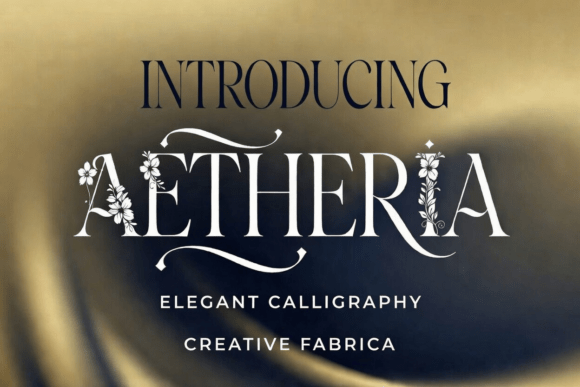
Opening a fresh brand board, I often find myself searching for the right typeface to set the tone. Aetheria was the one that caught my eye—its high-contrast serifs and delicate flourishes immediately suggested a sense of refined romance. As a decorative font, it’s not just about beauty; it’s about creating a visual language that speaks to the soul of a brand.
Aetheria for Wedding Invitations and Elegant Branding
Aetheria shines when used in contexts that demand a touch of sophistication. I tested it on a wedding invitation concept, where its ornate details and flowing curves brought a timeless elegance to the design. The font’s personality is warm and inviting, making it ideal for brands that want to evoke a sense of grace and charm. Whether it's a boutique wedding planner or a luxury skincare line, Aetheria adds an air of exclusivity without being overly dramatic.
Its high contrast makes it particularly effective as a display font, especially when paired with simpler, more neutral elements. For instance, using Aetheria for a headline alongside a clean sans serif for body text creates a balanced composition that feels both modern and classic.
Aetheria on Packaging and Product Labels
When I placed Aetheria on a packaging mockup for a handmade soap brand, the result was striking. The font’s botanical flair complemented the natural ingredients listed on the label, reinforcing the brand’s commitment to purity and craftsmanship. Its intricate details work well in larger sizes, where they can be appreciated without compromising legibility.
However, I noticed that Aetheria isn’t the best choice for small text. On product labels with limited space, the fine strokes can become difficult to read. That said, when used as a primary logo or header, it commands attention and adds a unique character to the product’s visual identity.
Aetheria for Social Media Graphics and Web Headers
Testing Aetheria on a social media layout revealed its versatility. On an Instagram post promoting a seasonal floral collection, the font added a whimsical yet polished feel. It worked especially well in large headers, where its sweeping lines and subtle swashes created a dynamic visual flow.
On a website header, Aetheria made a bold statement. It paired beautifully with a minimalist background, allowing the typography to take center stage. The font’s weight and structure gave the site a premium feel, which is essential for brands aiming to project authority and style.
Aetheria for Business Cards and Printed Materials
Aetheria’s aesthetic is perfect for business cards that need to stand out. When I designed a card for a creative studio, the font’s elegant curves and strong contrast made the contact information feel more personal and intentional. It’s a great choice for professionals who want their branding to feel artisanal rather than generic.
But again, size matters. In smaller formats like business cards, the font’s detailing can sometimes feel overwhelming. To counter this, I recommend using a bolder weight or adjusting the spacing to ensure clarity without sacrificing style.
Aetheria for Logo Design and Brand Identity
In logo design, Aetheria offers a unique blend of old-world charm and modern appeal. I used it in a logo concept for a local café, where its fluidity and grace reflected the establishment’s cozy, artistic vibe. The font’s ability to convey emotion through form made it a compelling choice for a brand that wanted to feel approachable yet refined.
As a logo font, Aetheria excels when used in short phrases or single words. It’s less suited for long taglines or complex branding systems where consistency and clarity are paramount. Still, when used thoughtfully, it can become a signature element that defines a brand’s visual voice.
Aetheria for Editorial and Print Design
For editorial projects, Aetheria brings a level of sophistication that elevates the overall look. I used it in a magazine spread for a lifestyle publication, where its ornate details added a sense of luxury to the headlines. The font’s personality works well in print, where the richness of the paper can enhance its visual impact.
That said, I found that Aetheria doesn’t perform as well in dense layouts with multiple text blocks. It’s best reserved for headlines, captions, or other design elements where it can be the focal point. When used in conjunction with a more functional typeface, it can create a harmonious balance between aesthetics and readability.
Before finalizing any project with Aetheria, I always recommend testing it across different platforms and sizes. This helps ensure that it maintains its integrity in various applications, from digital screens to printed materials. Checking the font’s licensing terms is also crucial, especially if it will be used in client work or commercial products.